
Priority problem
The blog publishes without a strategic job
A calendar can stay busy while priority services remain unexplained, customer objections go unanswered and every article ends without a useful route forward.
Search demand · Expertise · Editorial systems · Conversion
GrowthLabs is a founder-led content marketing agency in Nepal helping businesses turn customer questions, search demand, expertise, proof and commercial priorities into a maintainable content system. The work is designed to help people understand a subject and make a decision, not to manufacture pages around repeated keywords.
Share the website, offer, audience, current content, subject-matter experts, priority services and the decision the content should support.
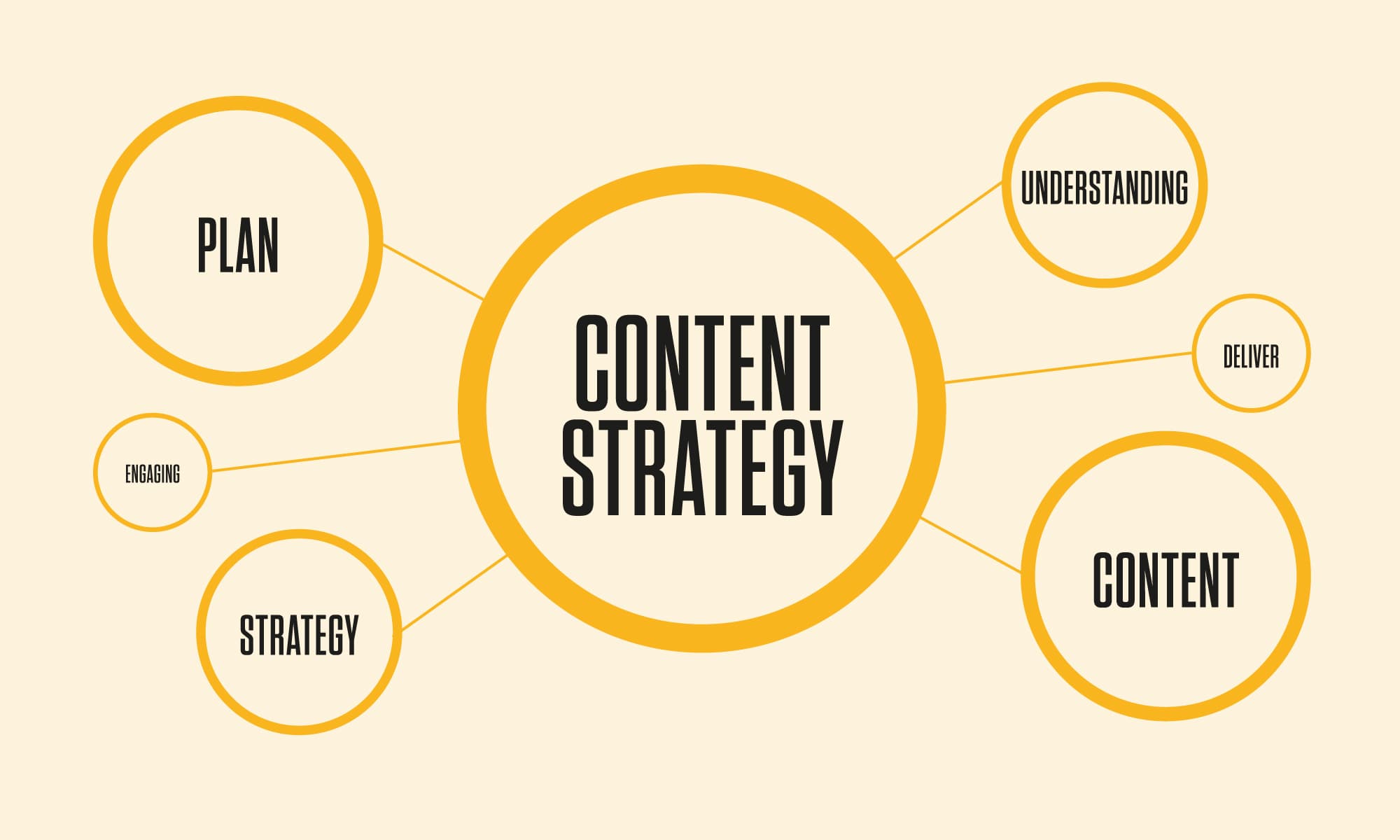
Content Marketing Agency in Nepal / Decision summary
A useful content marketing agency in nepal engagement connects the immediate business constraint to the capability, customer journey and measurable outcome that can address it.
Priority problem
A calendar can stay busy while priority services remain unexplained, customer objections go unanswered and every article ends without a useful route forward.
Connected capability
Identify customer language, questions, objections, proof needs, comparison criteria and the information required at each decision stage.
Working outcome
Build a content architecture where every page owns a purpose, contributes original value and connects naturally to the next useful action.
Start with context, not a package. Share the current website, offer, audience and result that needs to improve.
Request a content strategy reviewThe objective
Build a content architecture where every page owns a purpose, contributes original value and connects naturally to the next useful action.
What gets in the way
A calendar can stay busy while priority services remain unexplained, customer objections go unanswered and every article ends without a useful route forward.
Creating one article for every wording can produce overlap, weak differentiation and a site that is harder for readers and search systems to understand.
Summaries of existing search results rarely demonstrate the business's expertise, process, evidence, constraints or point of view.
When informational and service intent are not mapped, multiple URLs can target the same decision and dilute internal signals.
Missing owners, expert review, evidence requirements, revision rules and publishing checks create bottlenecks or inaccurate claims.
Readers need relevant next steps based on the question they answered, not the same aggressive CTA pasted beneath every article.
The system in context
Positioning, audience, offer, message and proof need one recognisable strategic centre.

Capabilities
01
Identify customer language, questions, objections, proof needs, comparison criteria and the information required at each decision stage.
02
Group related wording by the task behind the query and assign one strongest canonical page to each material intent.
03
Map the people, services, locations, products, processes and concepts the audience needs, then connect them through useful page relationships.
04
Give writers the audience, answer, structure, evidence, entities, examples, limitations, sources, internal links and next action needed for a useful original page.
05
Extract the founder or subject-matter expert's real experience, process and cautions rather than inventing credentials or disguising generic output as expertise.
06
Connect service pages, comparisons, proof, objections, process and calls to action around the visitor's actual buying decision.
07
Define research, drafting, expert review, fact-checking, accessibility, metadata, linking, approval, publication and update responsibilities.
08
Plan how useful content supports search, social, email, sales and paid campaigns, then evaluate query ownership and qualified journeys.
What the work creates
01One clear purpose per priority page
02More original expert context
03Stronger internal topic relationships
04Content connected to commercial next steps
Content discovery evidence / Search Console
The capture makes organic discovery visible for an agency website. It supports the need for query-to-page ownership, useful topical coverage and measurement, while avoiding a claim that content alone caused every impression or click.
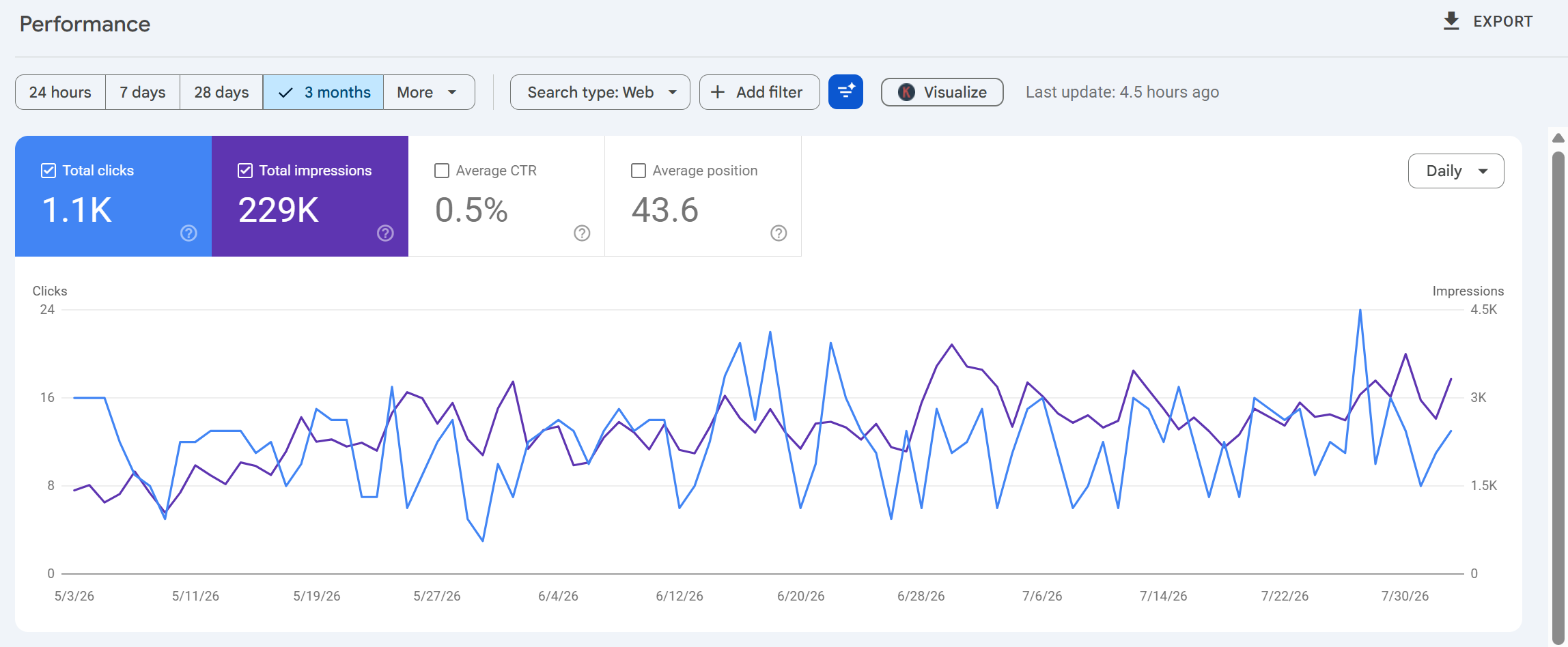
These anonymised Google Search Console captures show monitored organic visibility in the source interface. They are not promises of rankings, leads, revenue or sole attribution. A responsible review still checks the baseline, period, pages, market conditions and work completed.
Verified GrowthLabs credentials
We have confirmed that the supplied partner and certification artwork is authorised for GrowthLabs. Each credential is shown in its original supplied form and placed beside the service it supports.

Platform credential
Semrush Certified Agency Partner credential supplied and confirmed for GrowthLabs.

Platform credential
Certified HubSpot Agency Partner credential supplied and confirmed for GrowthLabs.
Credentials establish platform familiarity; the adjacent account captures show selected reported performance. Neither replaces a scope-specific audit, current platform verification or an agreed definition of a qualified conversion.
People-first SEO content
Google's current Search Central guidance says useful content should be easy to read, well organised, unique, maintained and written for people. It also states that language systems can understand many query variations without every exact wording appearing on the page.
Give a direct, qualified answer before adding process, examples, entities, limitations and the next useful decision.
Place the primary topic and related language in titles, headings, definitions, examples and links when natural, not to hit an arbitrary density percentage.
Include first-hand process, evidence, expert interpretation, local or industry context, reusable tools or a clearer framework than a generic summary.
Review facts, links, products, screenshots, dates, recommendations and intent ownership when the subject or business changes.
Keyword density and semantic relevance
Google explicitly defines unnatural keyword or number repetition intended to manipulate rankings as keyword stuffing. GrowthLabs therefore checks whether important language is absent, unclear or overused, while prioritising intent satisfaction, entity relationships and natural readability.
Make the page subject unmistakable in the title, main heading, early answer, relevant sections, metadata and descriptive internal links.
Use related platforms, processes, audiences, metrics and concepts where they help explain the topic or decision.
Answer the definitional, comparative, procedural, risk, cost, fit and next-step questions the intended reader genuinely has.
Link to a dedicated page when another intent needs its own depth instead of forcing every keyword onto one URL.
Process
Review the audience, offer, existing pages, search visibility, competitors, evidence and editorial capacity.
Map intent ownership, entities, commercial pages, supporting questions, internal links and content priorities.
Define the answer, structure, evidence, expert input, sources, examples, metadata and next action for each page.
Draft, fact-check, obtain subject-matter approval, optimise naturally and complete accessibility and link QA.
Distribute appropriately, monitor query ownership and qualified journeys, then update or consolidate using evidence.
Primary references
These sources support the factual platform and search-system statements on this page. GrowthLabs interpretation, scope and recommendations remain clearly separate from platform documentation.
Content measurement
Review relevant impressions, query mix, clicks, landing pages, indexation and unintended overlap in Search Console.
Use page behaviour, useful interactions, navigation and feedback as diagnostic context with privacy and measurement limits visible.
Connect appropriate content journeys to qualified enquiries, sales conversations or assisted outcomes where business systems permit.
Track accuracy, expert participation, implementation progress, update needs and whether the content is reusable by sales or support.
Related expertise
FAQ
A content marketing agency can research audiences and demand, map topic and page ownership, create briefs, coordinate expert input, develop or review content, build editorial workflows, support distribution and evaluate qualified journeys.
No. Articles can be one format. Content marketing can also include service pages, comparisons, questions, glossaries, case studies, tools, templates, video direction, email and sales-support material.
SEO content writing creates a useful page around a clear search task while helping search systems understand its topic, entities, relationships and canonical purpose. It should remain natural, accurate and written for people.
There is no universal percentage that guarantees rankings. Use the primary topic clearly and naturally, cover related entities and questions, then remove repetition that makes the page less useful or sounds manipulative.
GrowthLabs can research and structure content, but claims requiring business, technical or industry expertise should receive accurate input and approval from the appropriate subject-matter owner.
The right cadence depends on strategic gaps, expert and production capacity, quality control, distribution and maintenance. One important complete page can be more valuable than a high-volume calendar of overlapping articles.
No. Search visibility, distribution and commercial outcomes depend on demand, competition, website quality, authority, implementation, offer, conversion paths and external systems.
Share the website, audience, priority offers, existing content, subject-matter resources, search or sales questions and the business decision content should support.
Useful authority
Share the website, audience and priority offer. GrowthLabs will identify the strongest content, page-architecture and editorial starting point.
No booking maze and no forced package. Use the secure form, WhatsApp, email or call us directly.