
Priority problem
Boosted posts replace campaign strategy
A boost can distribute content, but it does not define the commercial job, customer stage, conversion architecture or learning plan behind the spend.
Facebook Ads · Instagram Ads · Creative testing · Measurement
GrowthLabs is a founder-led Meta Ads agency in Nepal planning Facebook Ads and Instagram Ads around the audience, offer, creative, destination, tracking and lead-quality feedback. Campaigns are built to create a useful business signal, not merely cheap reach, reactions or platform-reported leads.
Share your offer, active Meta account, target market, creative capacity, landing page and the qualified action you need.
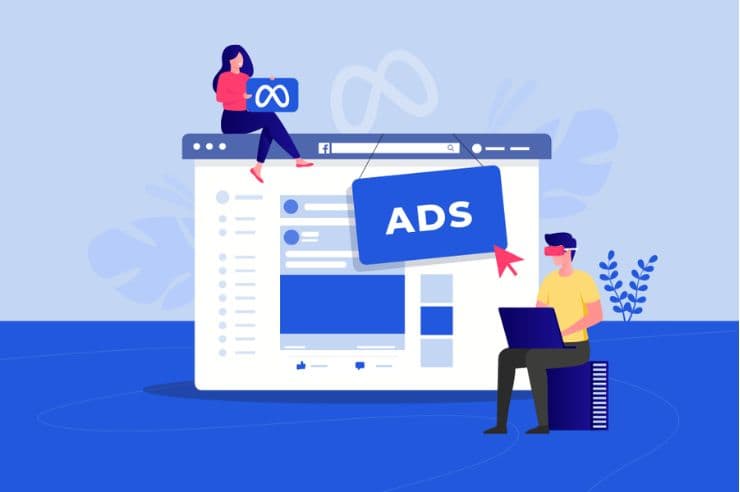
Meta Ads Agency in Nepal / Decision summary
A useful meta ads agency in nepal engagement connects the immediate business constraint to the capability, customer journey and measurable outcome that can address it.
Priority problem
A boost can distribute content, but it does not define the commercial job, customer stage, conversion architecture or learning plan behind the spend.
Connected capability
Review account structure, objectives, audiences, exclusions, placements, creative, spend, destinations, events and configured conversion reporting.
Working outcome
Give every Meta campaign a defined audience, persuasive message, credible destination and measurable next action.
Start with context, not a package. Share the current website, offer, audience and result that needs to improve.
Request a Meta Ads reviewThe Meta Ads objective
Give every Meta campaign a defined audience, persuasive message, credible destination and measurable next action.
Campaign architecture
Meta Ads can create discovery, consideration, leads or sales, but the objective and destination must match the amount of context a person needs.
01
Useful when mobile completion speed matters and the form can qualify intent without pretending every submission is an opportunity.
02
Useful when the offer needs explanation, comparison, proof, eligibility details or stronger analytics before a visitor acts.
03
Useful when conversation is a natural buying step and the business can respond quickly with a defined qualification process.
04
Useful when product, checkout, event and catalogue foundations are reliable enough to support optimisation and customer experience.
Why paid social stalls
A boost can distribute content, but it does not define the commercial job, customer stage, conversion architecture or learning plan behind the spend.
Paid social performance depends on the hook, message, proof, format, offer and next step. One polished asset cannot answer every audience context.
Instant Forms can reduce friction, but weak qualification, slow response and missing CRM feedback make a low cost per lead commercially misleading.
Pixel, Conversions API considerations, event definitions, consent, UTMs and lead-status feedback should be planned before campaign conclusions are drawn.
More distribution increases the cost of weak positioning, poor landing-page continuity, unclear proof and unreliable follow-up.
The system in context
Content earns its place by answering a real question, supporting a decision or moving a customer journey forward.
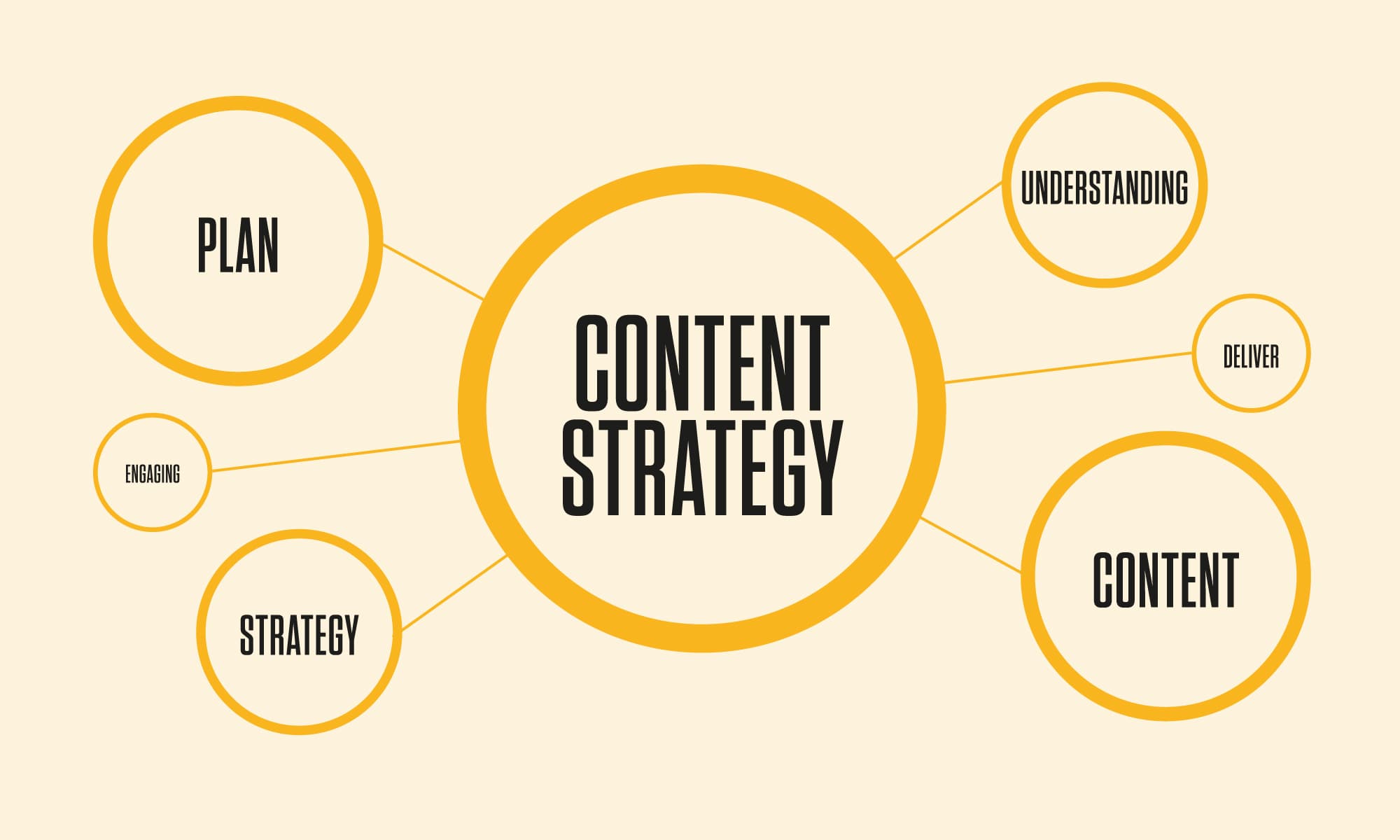
Meta advertising capabilities
01
Review account structure, objectives, audiences, exclusions, placements, creative, spend, destinations, events and configured conversion reporting.
02
Define prospecting, engagement, retargeting and customer contexts around what each group knows and what action is appropriate next.
03
Select objectives and campaign structure according to the conversion route, available signal quality, budget and creative resources.
04
Develop testable hooks, messages, proof, offers, formats and calls to action rather than relying on cosmetic variations.
05
Choose between an on-platform form and website journey according to qualification needs, friction, message depth, tracking and follow-up readiness.
06
Map the actions that matter, validate available signals and explain what platform attribution can and cannot establish.
07
Connect campaign reporting to contact rate, qualification, pipeline movement or purchase quality where the client systems permit.
08
Use audience, creative, placement, frequency, destination and conversion evidence to decide what to continue, change, stop or test.
What better structure creates
01Clearer campaign roles
02More useful creative learning
03Better visibility into lead quality
04Paid social connected to conversion
Verified GrowthLabs credentials
We have confirmed that the supplied partner and certification artwork is authorised for GrowthLabs. Each credential is shown in its original supplied form and placed beside the service it supports.

Platform credential
Certified Meta Ads Partner credential supplied and confirmed for GrowthLabs.

Public rating artwork
GrowthLabs Google Reviews artwork displays a 5.0 rating; no review-count claim is added without a supplied count.
View the Google Business ProfileCredentials establish platform familiarity; the adjacent account captures show selected reported performance. Neither replaces a scope-specific audit, current platform verification or an agreed definition of a qualified conversion.
Creative testing
A useful creative system changes one or more decision variables deliberately and records what the result teaches.
Test how quickly the creative establishes relevance and whether the problem framing matches audience awareness.
Test what is being promised, why it is credible, what conditions apply and which objections need evidence.
Compare suitable short video, static, carousel, founder-led, product-led and demonstration formats without assuming one format always wins.
Keep the advertisement, form or landing page aligned so the next step fulfils the expectation created by the creative.
Meta Ads process
Review the offer, audience, account, creative, destination, tracking and lead quality.
Set the campaign job, qualified action, decision metrics and operational responsibilities.
Create structure, audiences, events, forms or landing-page continuity and a purposeful creative test plan.
Control delivery, budgets, exclusions and early quality checks without reacting to noise.
Use creative, audience, destination and business feedback to improve the next decision.
Measurement
Meta reports delivery and attributed actions according to its systems and selected attribution settings. Business reporting should also examine lead validity, contactability, qualification, sales feedback, refunds or repeat value when available.
Reach, frequency, video behaviour, clicks, landing-page views and configured attributed conversions help diagnose delivery.
Contact rate, qualified leads, booked calls, purchases, margin and customer quality determine whether the activity supports the business.
Scope and investment
Management scope depends on markets, objectives, campaign count, creative system, tracking condition, destination work, reporting and lead-feedback access. Advertising spend is paid separately to Meta.
Use a defined engagement to diagnose the account, rebuild structure, plan tracking or prepare a campaign and creative test system.
Use continued support when the account needs active testing, budget decisions, creative iteration, reporting and journey improvement.
Related expertise
Meta Ads questions
Scope can include Facebook and Instagram campaign strategy, account structure, audiences, retargeting, creative testing, Instant Forms, landing-page alignment, Pixel and event planning, reporting and lead-quality feedback.
Meta Ads Manager is used to advertise across eligible Meta placements, including Facebook and Instagram. Placement availability and interfaces can change.
Use the route that fits the decision. Instant Forms reduce mobile friction; landing pages can provide deeper explanation, proof, qualification and measurement. The best choice depends on the offer and follow-up system.
Creative strategy, briefs, hooks, messages and testing direction can be included. Filming, editing, design, talent and production ownership are confirmed in scope.
No. Meta media spend is paid separately from strategy, setup, creative direction, campaign management, landing-page and tracking work.
No responsible agency can guarantee lead volume, cost or sales. Results depend on the market, offer, creative, competition, budget, tracking, page experience and follow-up.
GrowthLabs can improve targeting hypotheses, message clarity, qualification, forms, landing pages, tracking and feedback loops. Final lead quality also depends on demand and sales handling.
Share the offer, target market, active account, current creative, landing page or form, budget context and the business action you need Meta Ads to support.
Paid social with a commercial job
Send the offer, account context and desired qualified action. GrowthLabs will identify the most important audience, creative, destination or measurement priority.
No booking maze and no forced package. Use the secure form, WhatsApp, email or call us directly.